


MEDIA PRACTIONERS CHARGES TO DRIVE DEVELOPMENT THROUGH ADVOCACY JOURNAalISM

Share

Mary Emmanuel
Journalists in Akwa Ibom State have been encouraged to take a more proactive stance in shaping societal growth by adopting advocacy journalism as a strategic tool for fostering inclusive development and accountability.
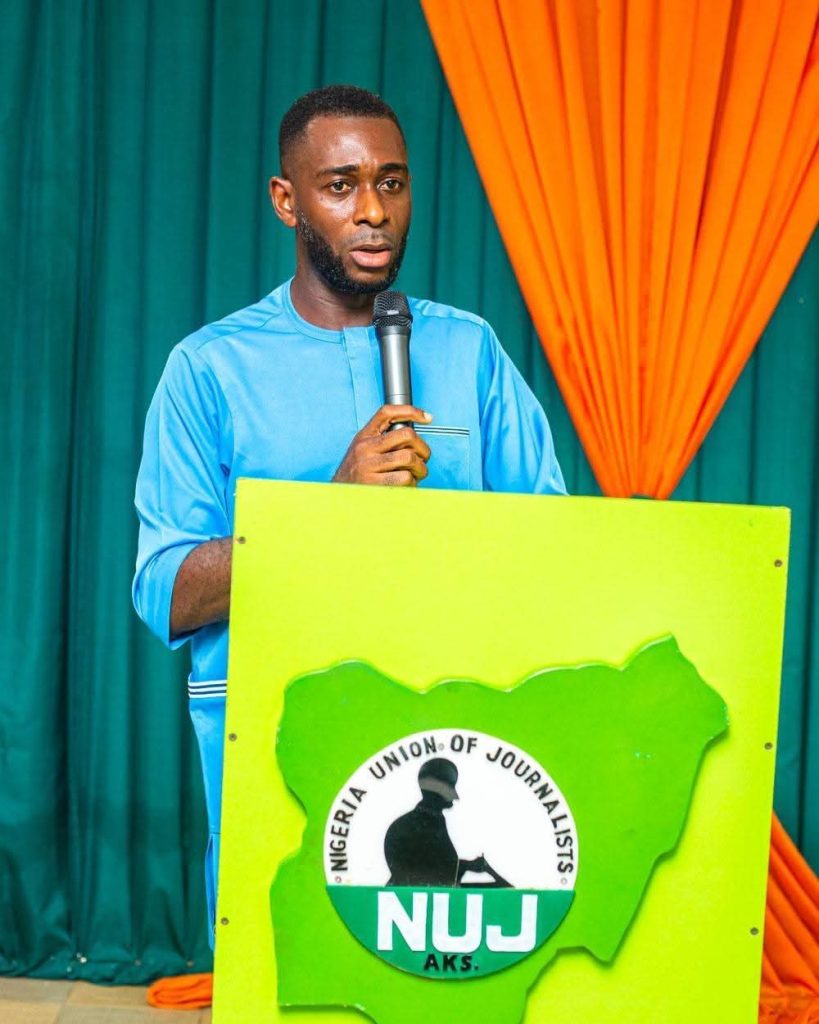
This charge was given during a capacity-building workshop organised by the Consolidated Chapel of the Nigeria Union of Journalists (NUJ), Akwa Ibom State Council, as part of activities marking its 2026 Press Week.
The workshop, which drew media professionals from across the state, focused on the theme, “Utilising Advocacy Journalism for Participatory Development in Akwa Ibom State.”
Speaking at the event, NUJ State Chairman, Comrade Nsibiet John, highlighted the evolving responsibilities of journalists in a democratic society. He noted that beyond reporting facts, media practitioners must champion ideas and initiatives that can stimulate development and improve governance outcomes.
He stressed that advocacy journalism, when professionally applied, remains a powerful instrument for influencing policies and amplifying the voices of the people, especially those in underserved communities. According to him, journalists must strike a balance between advocacy and objectivity to maintain credibility while driving change.
Also addressing participants, Chairman of the Consolidated Chapel, Comrade John Okon, said the workshop was aimed at strengthening journalists’ commitment to ethical reporting and national development. He observed that modern journalism must transcend conventional reporting by engaging citizens and holding leaders accountable.
Okon maintained that advocacy reporting plays a vital role in bridging the communication gap between government and the governed, thereby promoting transparency and trust in public institutions. He urged journalists to continuously build their capacity and embrace innovative storytelling techniques that support sustainable development.
Delivering a lecture at the workshop, communication expert, Dr. Abasifreke Idiong, described advocacy journalism as a purposeful and value-oriented approach that seeks to influence social change. He explained that while traditional journalism emphasises neutrality, advocacy reporting integrates analysis and context to highlight critical societal issues and propose solutions.
He further noted that this form of journalism has deep historical roots and remains relevant in addressing contemporary challenges, particularly in developing societies where the media serves as a voice for the voiceless.
The workshop featured interactive sessions where participants exchanged ideas and explored practical ways of integrating advocacy into their daily reporting, with a shared commitment to advancing development and good governance in Akwa Ibom State.